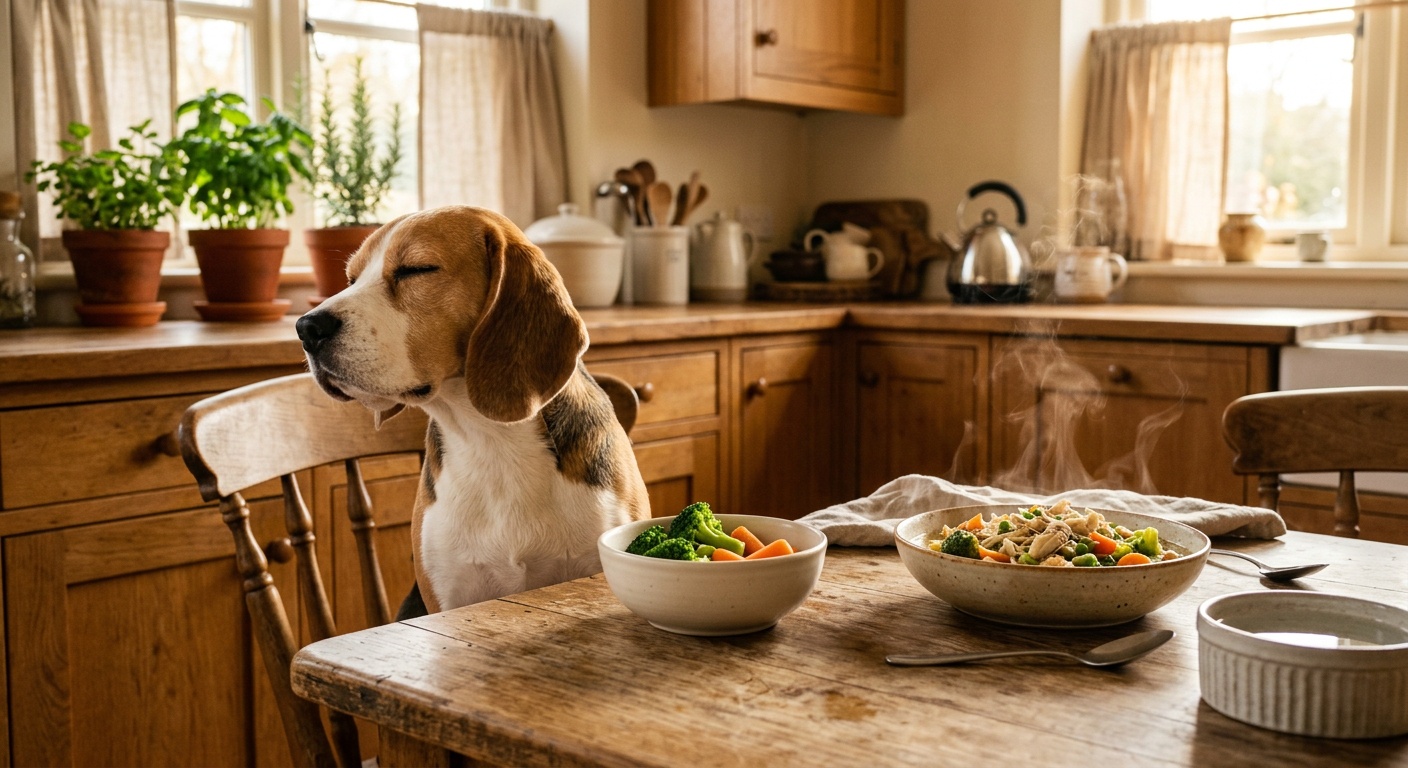
Why Do So Many Dogs Hate Vegetables?
Dogs are not obligate carnivores like cats — they are omnivores who evolved eating a heavily meat-based diet with opportunistic plant matter. Their ancestors never had a bowl of steamed broccoli placed in front of them, so their palates are naturally wired to prioritise meat, fat and strong savoury smells above all else.
Vegetables are generally low in fat and protein, have unfamiliar textures and carry bitter or sharp flavour compounds that evolved in plants as a defence mechanism against being eaten. It is not stubbornness — your dog's nose is telling them there is no calorie payoff worth the weird taste.
There are also breed differences. Labradors and Beagles tend to eat everything offered. Breeds like Shih Tzus, Huskies and many small terriers are notoriously fussy and will deliberately pick around vegetables. And some individual dogs — regardless of breed — are simply born cautious about new foods (a trait called "food neophobia").
🙅 The Active Refusers
These dogs eat around every vegetable piece, spit them out or walk away from the bowl entirely. Huskies, Shih Tzus, Maltese, many terriers. Need the sneaky approach.
😒 The Grudging Eaters
They eat vegetables if mixed well into food but will leave chunky pieces. Most dogs fall here. Respond well to texture changes and broth coating.
🤩 The Anything Goes Dogs
Labradors, Beagles, Pugs — they eat everything with equal enthusiasm. Vegetables are not an issue. Lucky owners.
🐾✨ The Pickiest Breeds — and What Works for Them
Some breeds are dramatically more food-selective than others. If your dog is one of these, you're not imagining it — it's genuinely breed-wired behaviour.
Are Vegetables Actually Necessary?
This is a fair question. Dogs can survive without vegetables — their protein and fat needs come from meat, and synthetic supplements can fill micronutrient gaps. But for homemade feeding, vegetables provide fibre for gut health, antioxidants that support the immune system, and phytonutrients that reduce inflammation over a lifetime. They are genuinely beneficial, not just "filler."
The goal is not to force your dog to love salad. It is to get a meaningful serving of vegetable matter — roughly 10–20% of the bowl — absorbed into their food without stress for either of you.
Vegetables: Worth the Effort
Aim for 10–20% of your dog's bowl coming from vegetables. That is about 2–3 tablespoons per 250g of food for most dogs. The tricks below make hitting that target surprisingly easy.
12 Proven Tricks to Get Picky Dogs to Eat Vegetables
Purée and Hide
Blend cooked vegetables — carrot, pumpkin, sweet potato, zucchini — into a smooth purée and stir it through the meat. The texture becomes invisible and the flavour is diluted. Works for 90% of dogs who pick around chunks.
Cook in Broth
Simmer vegetables in unsalted chicken or beef broth instead of plain water. The broth absorbs into the vegetable cells, completely changing the flavour profile from "green and bitter" to "meaty and savoury."
Roast Instead of Steam
Roasting (200°C / 20 min) caramelises the natural sugars in vegetables and removes bitterness. Roasted carrot, sweet potato and pumpkin smell almost like treats. Many vegetables-refusing dogs will eat them roasted.
Add a Fat Drizzle
Toss vegetables in a small amount of ghee, coconut oil or salmon oil before cooking. Fat is your dog's biggest palatability trigger — it masks bitterness and makes everything smell more appealing.
Micro-Chop to Dust
Use a food processor to blitz leafy greens (spinach, kale) into tiny fragments no bigger than 2mm. Mixed through rice or ground meat, they become completely undetectable — even to the most suspicious nose.
Freeze into Broth Cubes
Blend vegetables with bone broth and freeze in ice cube trays. Serve as a "treat" on top of the meal. Many dogs who reject vegetables in food will happily lick a flavoured frozen cube.
Mix with High-Value Protein
Always combine vegetables with something your dog loves intensely — liver, sardines, chicken hearts. The strong smell of the protein overpowers the vegetable aroma and the dog eats everything together.
Start with Sweet Vegetables
Bitter is the hardest sell. Start with naturally sweet options: sweet potato, pumpkin, carrot, peas, corn (off the cob). Once your dog accepts these, you can gradually introduce the less sweet vegetables.
Introduce Gradually
Add just 1 teaspoon of new vegetable per meal for the first week. Slowly increase over 3–4 weeks. Dogs who refuse vegetables presented in large amounts often accept them when they appear gradually as a small familiar part of the meal.
Fermented Vegetables
A small spoonful of plain fermented vegetables (like kefir-fermented carrot or plain sauerkraut — no salt or spices) changes the flavour profile entirely. The sour, complex taste appeals to many dogs who hate plain vegetables and adds probiotic benefits.
Dehydrated Vegetable Powder
Dehydrate and blend vegetables into powder, then sprinkle over food. The concentrated flavour is actually milder when dry and spreads invisibly through the meal. Kelp, carrot and sweet potato powder work especially well.
The Patience Game
Research shows dogs need to be exposed to a new food 10–15 times before accepting it. Don't give up after one refusal. Keep offering in small amounts alongside accepted foods. Familiarity itself reduces rejection over time.
The Best Vegetables for Picky Dogs to Start With
These are the easiest sells — naturally sweet, soft when cooked, low bitterness and well tolerated by almost all dogs. Start here before moving on to stronger flavours.
| Vegetable | Why Picky Dogs Accept It | Best Preparation | Safe Amount |
|---|---|---|---|
| 🎃 Pumpkin | Naturally sweet, very soft, mild smell | Steamed and mashed or puréed | 1–3 tbsp per meal |
| 🍠 Sweet Potato | High natural sugar, creamy texture | Roasted or boiled and mashed | 1–2 tbsp per meal |
| 🥕 Carrot | Sweet, mild flavour, satisfying texture | Roasted in broth or raw-grated into food | 2–3 tbsp per meal |
| 🫛 Peas | Small, slightly sweet, easy to miss in food | Frozen or lightly cooked and mixed through | 1 tbsp per meal |
| 🥒 Zucchini | Almost flavourless when cooked, takes on broth taste | Diced small, simmered in broth | 2 tbsp per meal |
| 🌽 Corn (off cob) | Sweet, chewy — many dogs eat it as a treat | Plain cooked kernels | 1 tbsp per meal |
⚠️ Vegetables to Avoid Entirely
Never feed: Onion, garlic, leeks, chives (toxic — damage red blood cells), grapes and raisins (kidney failure), avocado (toxic to dogs), raw potato (contains solanine), macadamia nuts, and anything from the allium family. Some dogs are also sensitive to high-oxalate vegetables like raw spinach in large quantities — always cook spinach for dogs.
Is My Dog a Picky Eater or Is Something Wrong?
There is a difference between a fussy dog and a dog that has gone off food due to illness. A picky eater will still eat their favourite protein enthusiastically — they are just being selective. A dog that has genuinely lost appetite will refuse even their most loved foods, may seem lethargic, and may have other symptoms like vomiting or weight loss.
If your dog has suddenly become fussy after previously eating well, this warrants a vet visit. Dental pain is one of the most common and overlooked reasons dogs go off food — it hurts to chew. Kidney disease, digestive issues and hormonal conditions can also reduce appetite. Rule these out before concluding you simply have a diva on your hands.
🐾 The "One Vegetable At A Time" Rule
Never introduce three new vegetables in the same week. If your dog refuses or has digestive upset, you will not know which vegetable caused it. Add one new vegetable, serve it for 5–7 days, then add the next. This also allows their gut microbiome to adjust, which reduces gas and loose stools that can put dogs off certain vegetables permanently.
How Much Is Enough? A Serving Guide
| Dog Weight | Daily Vegetable Target | How to Serve |
|---|---|---|
| Under 5kg (toy breeds) | 1–2 tablespoons total | Puréed through meat |
| 5–10kg (small dogs) | 2–3 tablespoons total | Mashed or finely chopped |
| 10–25kg (medium dogs) | 3–5 tablespoons total | Mixed through rice or meat |
| 25–40kg (large dogs) | ½ – ¾ cup total | Chunks or mashed — most large breeds less fussy |
| 40kg+ (giant breeds) | ¾ – 1 cup total | Can serve as a separate side or mixed through |
Vegetables That Fussy Dogs Often Accept as Treats (Not Just Meal Additions)
These work because the texture, crunch or freeze factor gives the dog something to engage with — the vegetable feels like a reward rather than something hidden in their dinner.
- Frozen carrot sticks — dogs who refuse cooked carrot often love gnawing a frozen one like a chew toy, especially puppies
- Cucumber slices — hydrating, very mild, slightly crunchy — often accepted raw by dogs who reject other raw vegetables
- Dehydrated sweet potato strips — the drying process concentrates sweetness and creates a chewy treat texture
- Lightly steamed broccoli florets — some dogs who hate broccoli in their bowl will eat a small floret as a training treat from your hand
- Frozen pea pops — frozen peas served straight from the freezer — many dogs find the small round shape irresistible
💡 The "Hand Feeding" Reset for Very Picky Eaters
If your dog has learned to refuse whole meals containing vegetables, try hand feeding a few pieces of the vegetable before the meal for several days in a row. Dogs are more likely to accept food from their owner's hand — the social context changes their perception of the food. After a week of hand-fed vegetable acceptance, gradually reintroduce it to the bowl.
Final Thoughts
A dog who refuses vegetables is not being naughty — they are following deeply wired biological preferences. The good news is that with patience, the right preparation methods and a little creativity, almost every picky eater can get a meaningful portion of vegetables into their diet without drama at the bowl.
Start with the sweetest, softest vegetables. Cook everything in broth. Purée what you cannot hide. And give it time — the 10-exposure rule is real. Your dog can learn to accept what they once spat out, as long as you stay consistent and never turn mealtimes into a battle of wills.